

Help for patients “waiting their whole lives” for a diagnosis
09 December 2025
A Peter Mac-led study has shown whole genome and transcriptome sequencing (WGTS) was able to solve diagnostic mysteries for more than a third of patients with rare inherited blood diseases.
All patients in the study met criteria for having an “Inherited bone marrow failure syndrome” – a diverse group of rare genetic diseases, each with a different genetic cause that prevents healthy blood function.
The 237 patients had an analysis of every gene in their genome (entire DNA) and their transcriptome (DNA in active use) to try and find the cause of their specific blood disease.
Usually, these patients receive much more focussed testing which does not cover the full spectrum of possible genetic abnormalities known to cause disease and can miss the diagnosis entirely.
Results of the study were presented overnight at the 67th annual American Society of Hematology conference, in Florida, where the paper was accepted as a late-breaking submission.
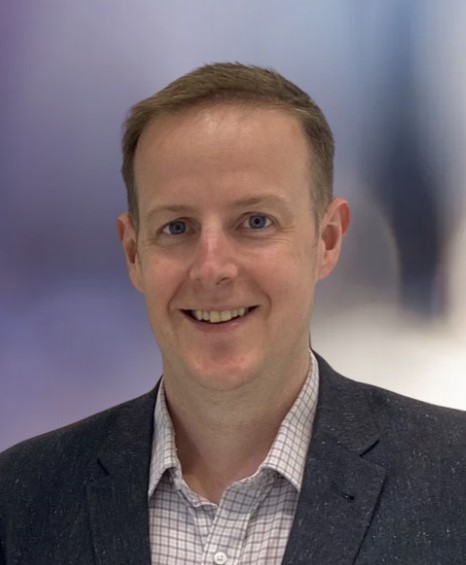
“An accurate diagnosis is one of the most important aspects of a patient’s care and the patients in this study all had likely inherited blood diseases but no specific diagnosis,” explains Associate Professor Piers Blombery.
“Without a diagnosis we can’t treat patients optimally, test family members, help patients understand what to expect and ultimately find cures.
“After testing performed in this study, we were able to give more than a third of these patients a diagnosis – information many had been waiting their whole lives for and which is pivotal to their ongoing care.”
Among the 237 patients, 88 (37%) were able to be given a diagnosis of their rare blood disease thanks to WGTS.
Diagnoses included hereditary thrombocytopenia, telomere biology disorders, Diamond-Blackfan anaemia, primary red cell disorders, severe congenital neutropenia, Shwachman Diamond Syndrome or Fanconi anaemia.
In addition, the testing was able to identify entirely new mechanisms of blood disease and genetic associations that will fuel future studies to improve diagnosis in these rare conditions.
Associate Professor Blombery led this research along with haematologist Dr Lucy Fox, and the team at the Wilson Centre for Blood Cancer Genomics which is based at Peter Mac.
Collaborating investigators from around Australia included the Victorian Clinical Genetics Service, Royal North Shore Hospital, Monash University and the Centre for Population Genomics (Murdoch Children’s Research Institute).
This research is also part of the Collaborative Centre for Genomic Cancer Medicine, a collaboration by Peter Mac and the University of Melbourne to harness the power of genomics and change the face of cancer care.
Funders include the Australian Government’s Medical Research Future Fund Genomics Health Futures Mission, Maddie Riewoldt’s Vision and the Wilson Centre for Blood Cancer Genomics through the Snowdome Foundation.
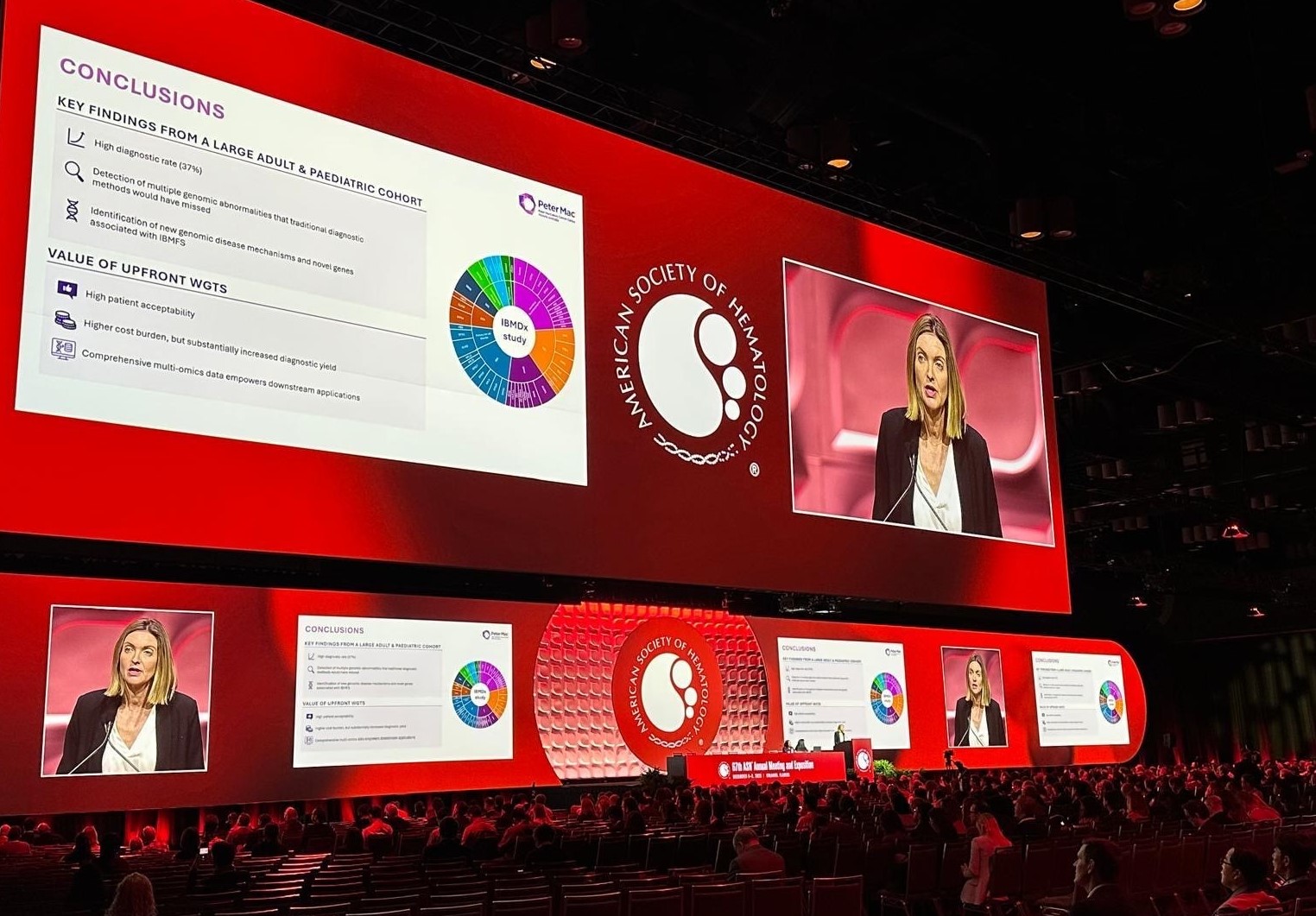 Dr Lucy Fox presents the study data at the 2025 American Society of Hematology scientific meeting, in Florida.
< ends >
Contacts:
For more information contact the Peter Mac Communications team on 0417 123 048.
About Peter Mac
Peter MacCallum Cancer Centre is a world leading cancer research, education and treatment centre and Australia’s only public health service dedicated to caring for people affected by cancer.