


Peter Mac awarded $300,000 grant to help unlock new immunotherapy for pancreatic cancer
12 November 2025
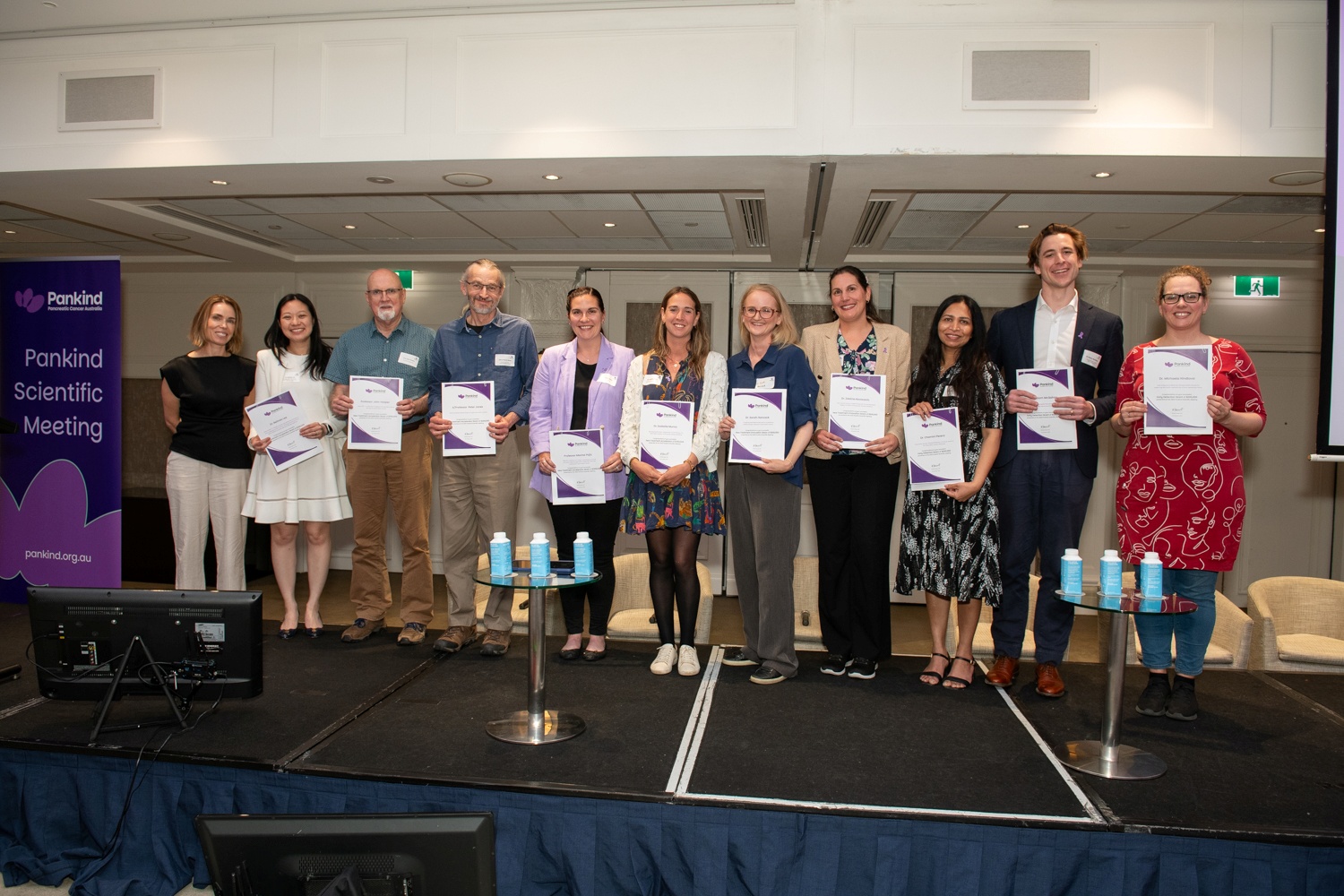
A new research project at Peter Mac led by Dr Isabelle Munoz aims to develop personalised immunotherapy designed to help the body recognise and destroy pancreatic cancer cells.
Pancreatic cancer remains one of the deadliest forms of cancer, with very few effective treatment options available. Dr Isabelle Munoz has received a $300,000 grant from Pankind, Pancreatic Cancer Australia, to address this issue.
Immunotherapy has transformed treatment for several cancers by using the body’s own immune system to target cancer cells. However, pancreatic tumours create a harsh environment that blocks immune cells from entering and functioning properly, limiting its success to date.
Dr Munoz and her team, including Peter Mac’s Professor Paul Beavis, and Dr Eric Tran and Dr Rom Leidner from the Providence Cancer Institute in Portland, USA, will work to overcome this barrier by genetically engineering a patient’s own immune cells (T cells) so they can better survive and function within pancreatic tumours.
The T cells will be reprogrammed in the laboratory to recognise and kill cancer cells by detecting a mutated protein called KRAS, present in about 40% of pancreatic cancers.
To strengthen these cells further, the team will use an advanced gene-editing technology called CRISPR to enhance T cells with features that help them stay active for longer, respond strongly to cancer, and withstand the hostile tumour environment.
“We want to give these cells the tools they need to get into the tumour, stay there, and do their job,” Dr Munoz said.
“Our goal is to build a smarter, stronger therapy that can overcome the hostile environment pancreatic cancer creates.”
“Our team has previously run clinical trials with T cells targeting KRAS in pancreatic cancer patients,” Dr Munoz said. “If these next-generation cells perform as expected, we’ll be uniquely positioned to take them into first-in-human trials.
“Ultimately, this research aims to pave the way for a new class of safe, personalised, and highly effective therapy for people with pancreatic cancer and beyond.
“We are thankful for Pankind’s support. By developing this innovative therapy, we hope to contribute meaningfully to Pankind’s mission to triple pancreatic cancer survival by 2030.”