


Peter Mac awarded major grant to study fertility risks of new breast cancer treatments
01 October 2025
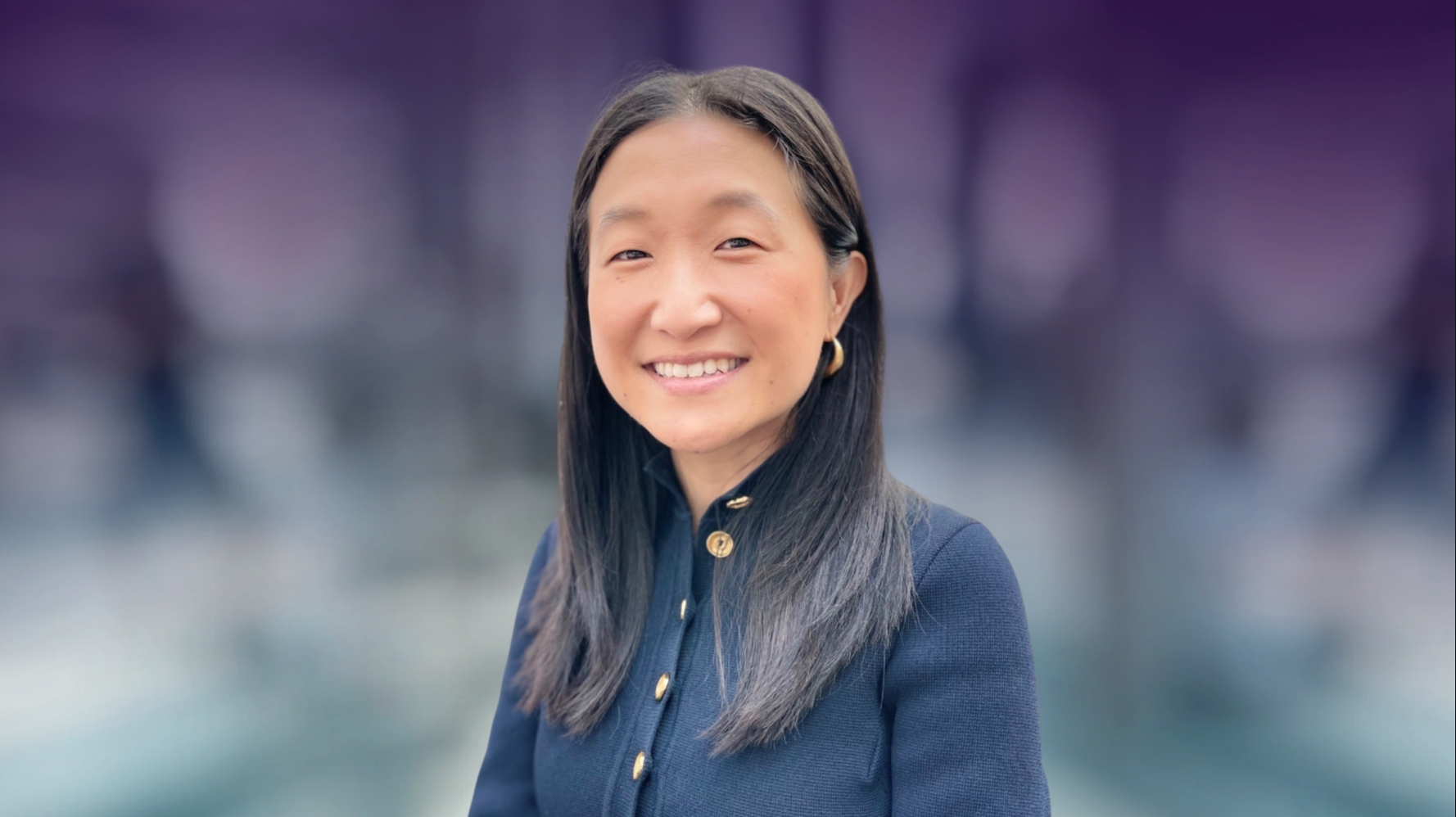
Peter Mac researcher Dr Wanda Cui has received a substantial Medical Research Future Fund (MRFF) grant to investigate whether cutting-edge immunotherapy treatments for breast cancer could also harm fertility and/or lead to early menopause.
The project - known as the FERTILE Study – is led by a team of Australian medical oncology, fertility and reproductive biology researchers and will be the first of its kind to track how a combination of chemotherapy and immunotherapy affects ovarian health in women with early-stage triple-negative breast cancer, a disease that is aggressive but potentially curable.
While immunotherapy has shown great promise in improving survival rates, lab studies have raised concerns it may also damage ovaries, leading to infertility and even early-onset menopause. Until now, it has been unclear whether similar risks exist for women.
“We know immunotherapy is a powerful tool against cancer, but we don’t yet know if it comes at a cost to women’s long-term reproductive health,” Dr Cui said. “This is a crucial knowledge gap for both patients and clinicians.”
The study will involve 75 premenopausal women across multiple Australian sites. Participants will undergo routine blood tests and complete questionnaires before beginning immunotherapy, and again 12 months and 24 months after surgery, to track changes in ovarian function.
“The women we treat with triple-negative breast cancer are often young, and for many, the possibility of early menopause, sexual health and future fertility is very important,” Dr Cui said.
“We want to provide them with clear, evidence-based information about the impact of treatment on their fertility and hormonal function, so they can make informed decisions.”
Premature ovarian damage can also cause broader health problems later in life, including osteoporosis, cardiovascular disease, and cognitive decline.
“This research is about more than fertility - it’s about understanding the full picture of how new treatments affect women’s health, both now and in the decades after cancer,” Dr Cui said.
The findings will be the first prospective human data on this issue and are expected to inform future treatment guidelines, fertility counselling, and patient support.
The investigators on this grant include A/Prof Michelle White (Monash Health), Dr Sanjeev Kumar (The Garvan Institute of Medical Research), Professor Frances Boyle (University of Sydney), Dr Maree Colosimo (St Vincents), Associate Professor Rohit Joshi (Cancer Research SA), Dr Louisa Lo (Sir Charles Gairdner Hospital), A/Prof Louise Nott (Royal Hobart Hospital), Dr Amy Winship and Professor Karla Hutt (Monash University), Associate Professor Catharyn Stern (Melbourne IVF East Melbourne), Dr Genia Rozen (The Royal Women's Hospital), Dr Christopher Oldmeadow (Hunter Medical Research Institute), and Ms Mariana Corrales Benítez (Peter Mac).