


Peter Mac nurses leading the way in sepsis care
27 October 2025
New research from Peter Mac highlights just how critical the role of nurses is in recognising and managing sepsis, a condition associated with one in five deaths worldwide.
The study, published today in BMJ Open Quality was led by Clinical Nurse Consultant, Ms Alison Lemoh, who conducted a systematic review to map the actions nurses take to identify and manage sepsis in hospital settings.
It found that nurses are the first line of defence against sepsis and often identify when a patient’s condition is deteriorating, initiating screening and escalating care. These are key steps that can mean the difference between life and death.
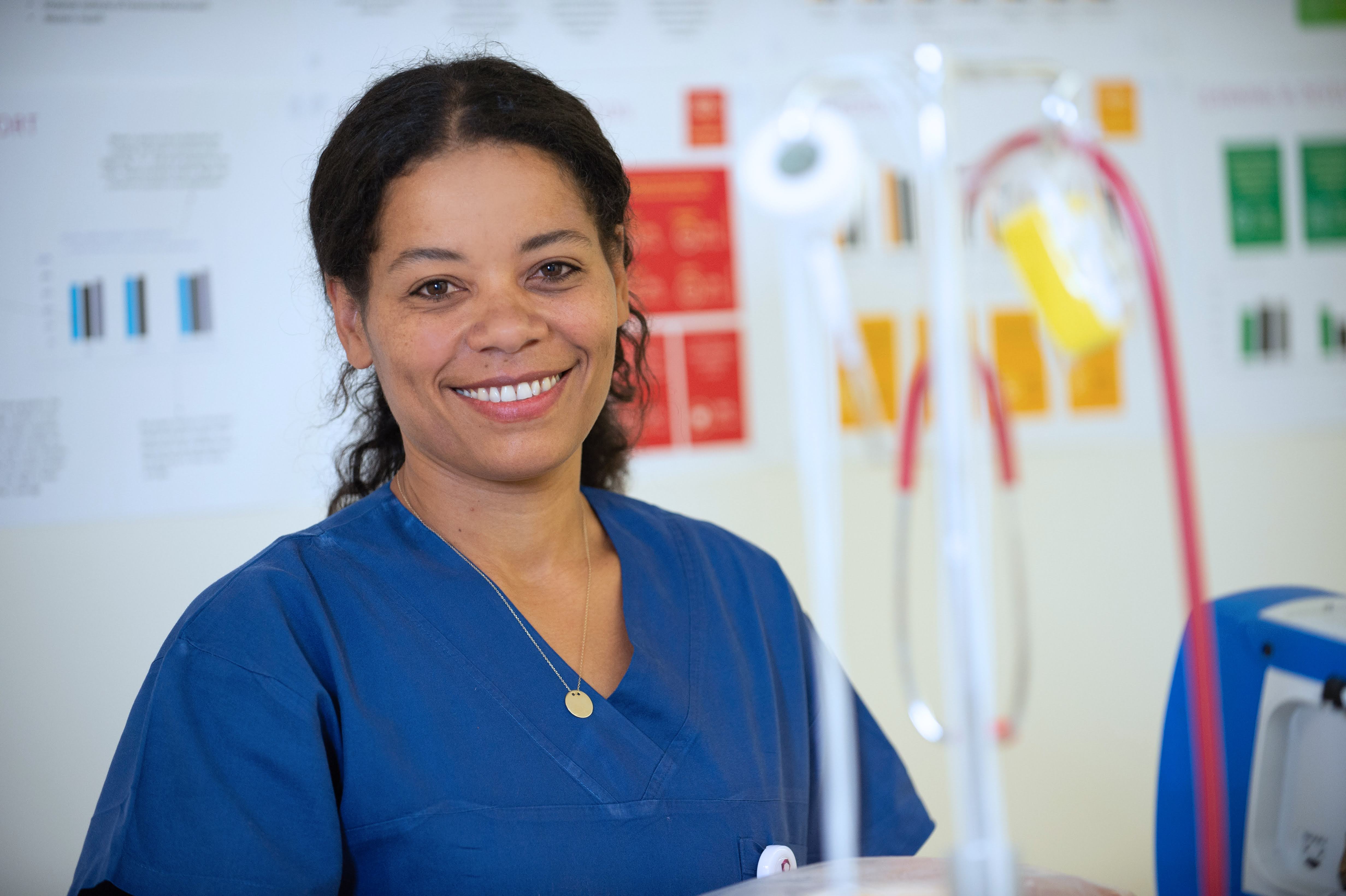
“Sepsis can progress rapidly, and nurses are often the first to notice when something isn’t right,” said Peter Mac National Centre for Infections in Cancer PhD candidate Ms Lemoh.
“Our review shows nurses already play a central role in recognising and responding to sepsis, but clearer definitions and consistent training could make their impact even greater.”
In some resource limited settings, nurses were also found to take on expanded roles, ordering diagnostic tests and starting urgent treatments such as intravenous fluids and antibiotics to prevent further decline.
Professor Karin Thursky, infectious diseases physician and Associate Director of Health Services Research, said the findings reinforce the vital contribution of nurses to high-quality, responsive care.
“Nurses deliver the majority of bedside care,” Professor Thursky said.
“Supporting them to act quickly and confidently when sepsis is suspected improves outcomes for patients and strengthens the whole health system.
“This research used a novel application of the (Action, Actor, Context, Target, Time) AACTT framework led by Dr Lisa Guccione, to map the actions nurses take to identify and manage sepsis in hospital settings.”
The framework revealed variability in practice, and pinpointed what nurses were doing, when and where. This provided clear evidence that nurses deliver the majority of bedside care in sepsis management, but more guidance is needed.
The research calls for national standards to define nursing responsibilities and training in sepsis recognition and management, ensuring that nurses across all settings are empowered to practise to their full scope.
This story is dedicated to the late Aileen Wilkinson who assisted in the early phase of this work.