


Peter Mac researchers secure major MRFF funding to transform surgical recovery and personalise cancer care
27 January 2026
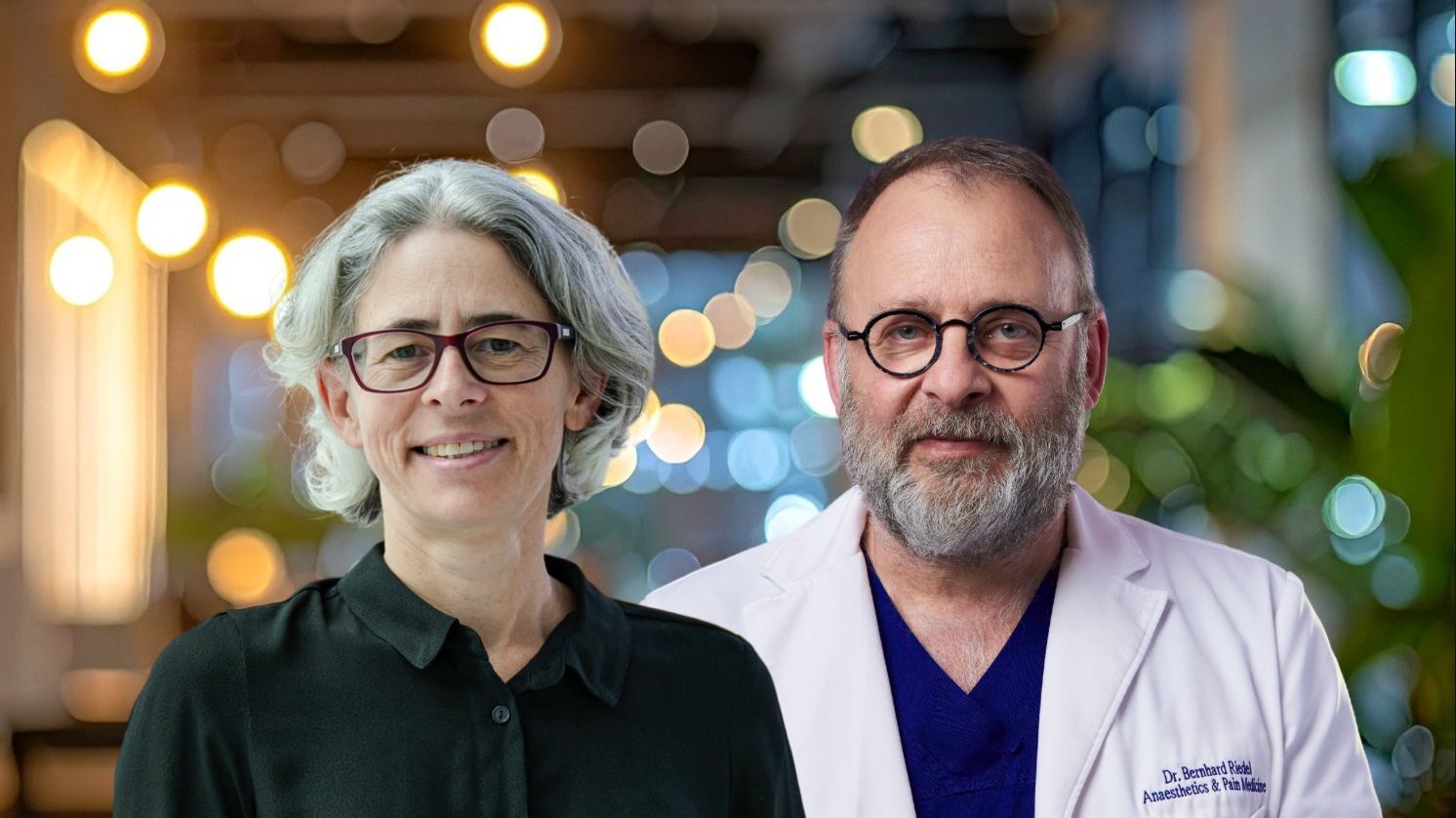
Two Peter Mac research teams have received major funding from the Medical Research Future Fund (MRFF) to lead projects aimed at improving surgical outcomes and bring personalised medicine closer to reality for people with cancer.
Professor Bernhard Riedel and Professor Kylie Gorringe were awarded more than $3.5 million through the MRFF Clinical Trials Activity scheme to tackle two pressing challenges in cancer care: reducing complications after surgery and improving treatment options for a rare and difficult-to-treat ovarian cancer.
Professor Riedel and a multidisciplinary team including an implementation scientist and prehabilitation experts will lead a $3 million national study focused on improving recovery after cancer surgery through the implementation of Enhanced Recovery After Surgery with Prehabilitation, known as ERAS+.
Complications after cancer surgery remain common, often leading to prolonged hospital stays, delayed recovery and increased healthcare costs. While ERAS pathways and prehabilitation programs have been shown to improve outcomes, they are not yet routinely used across Australian hospitals.
“This project is about making best practice the norm, not the exception,” Professor Riedel said.
“We know that preparing patients properly for surgery and standardising care afterwards can dramatically improve recovery, but too often this depends on where you are treated. Our goal is to make sure every patient benefits from the same high-quality approach.”
Professor Kylie Gorringe will lead a team including scientists, qualitative researchers, patient representatives and a network of clinicians across Australia that will test cancer therapies using cells from the same patient in a rare ovarian cancer called mucinous ovarian carcinoma that has limited treatment evidence.
The project, in collaboration with ANZGOG, UTS and VCFG, will test cancer therapies using organoids grown from a patient’s own tumour cells, allowing clinicians to identify which treatments are most likely to work before they are given.
“For rare cancers, we often don’t have strong clinical trial data to guide treatment decisions,” Professor Gorringe said.
“This approach lets us test therapies directly on a patient’s cancer in the lab and translate it to a clinical setting, so we can choose the treatment with the best chance of success.”